
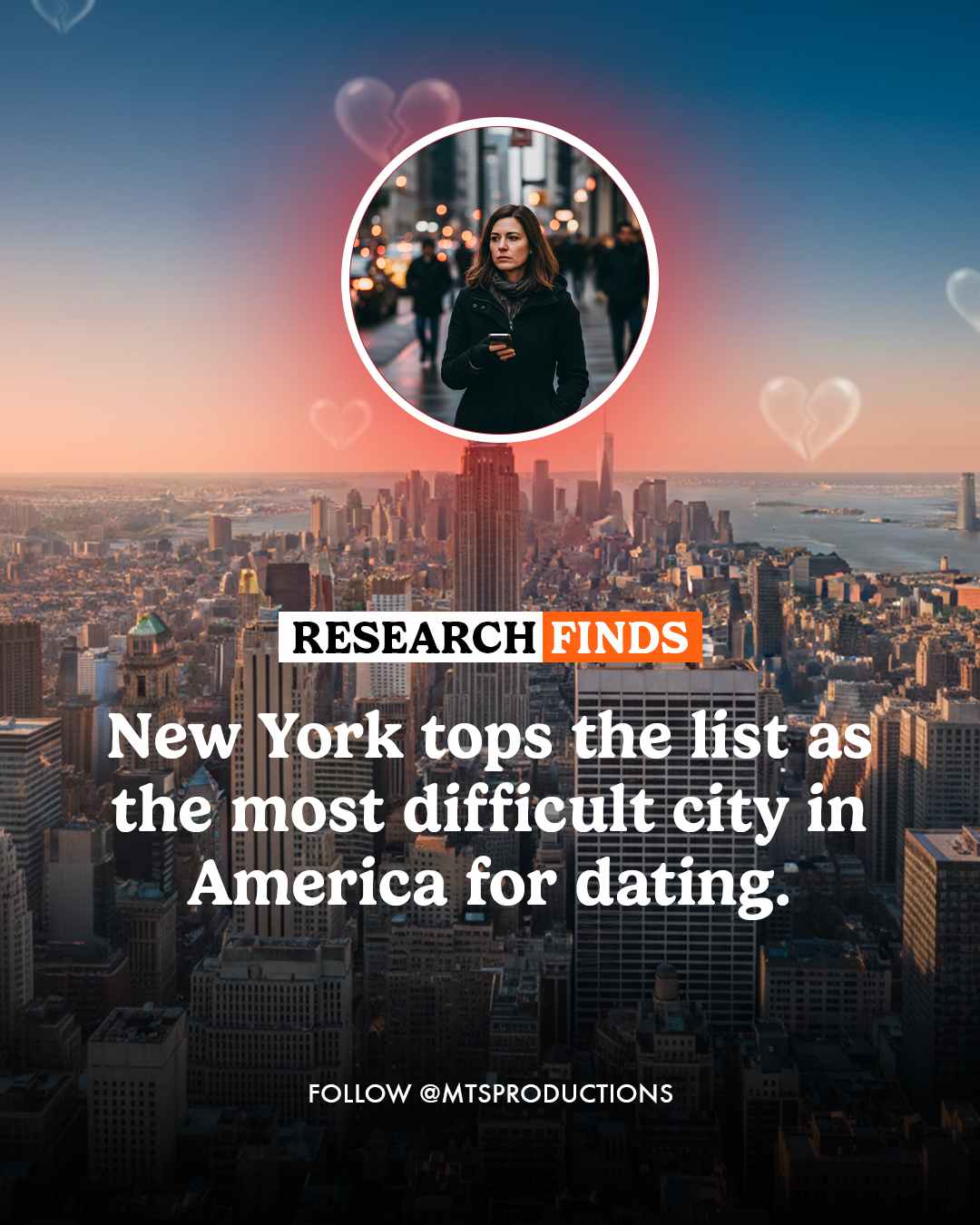
New York City Ranked the Most Difficult U.S. City for Dating, New Study Reveals
New York dating study, New York City has long been celebrated as a global hub of opportunity, ambition, and cultural diversity. From towering skyscrapers and thriving nightlife to endless professional possibilities, the city attracts millions of people hoping to build successful careers and fulfilling lives. However, according to a recent study, one major aspect of life in the city appears to be falling short: dating. The research ranks New York City as the most difficult city in the United States for dating, shedding light on the growing challenges singles face in one of the world’s most dynamic urban environments.
Despite having one of the largest populations of single adults in the country, New York’s dating scene is increasingly described as overcrowded, competitive, and emotionally exhausting. The findings raise important questions about how modern urban life, economic pressure, and cultural norms shape romantic relationships in major cities.
A City Full of Singles — Yet Short on Connection
At first glance, New York City would seem like the perfect place to date. The city is home to millions of residents, a significant portion of whom are unmarried, young, and socially active. From bars and rooftop lounges to networking events, dating apps, and social meetups, opportunities to meet new people appear endless.
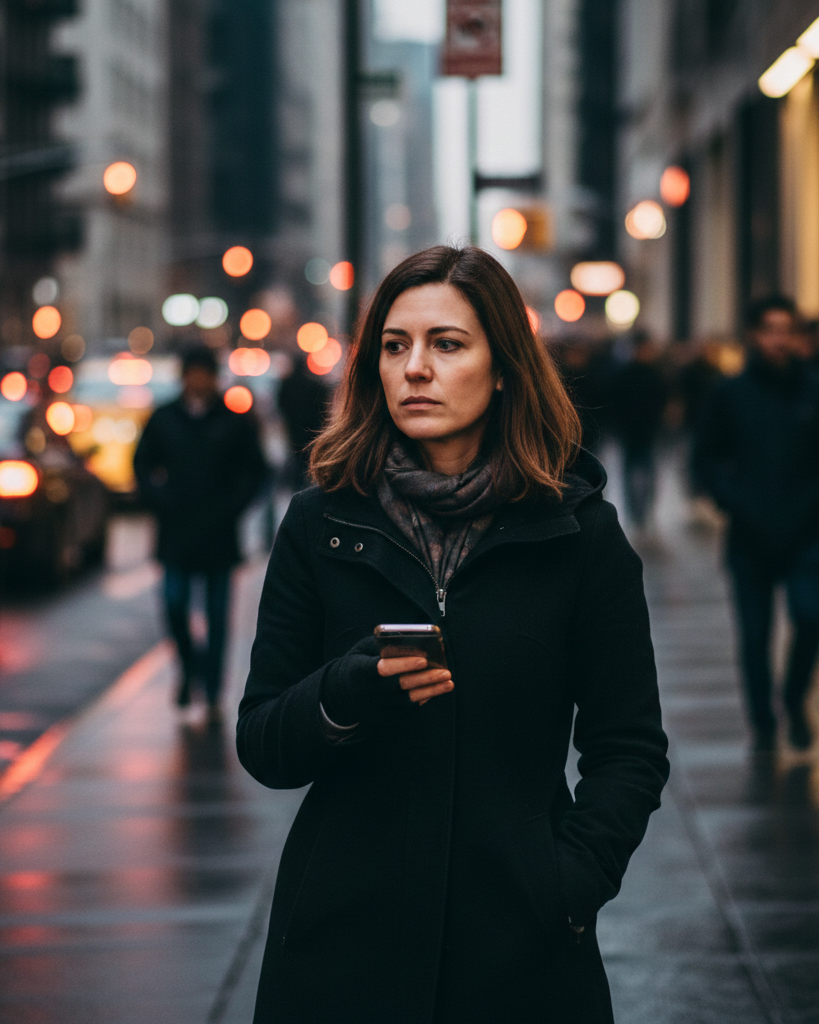
Yet the study highlights a surprising contradiction: while singles are abundant, meaningful connections are not. Many respondents reported feeling lost in a sea of options, where dates feel interchangeable and relationships struggle to progress beyond casual encounters. The abundance of choice, rather than making dating easier, often leads to indecision, lack of commitment, and emotional detachment.
Researchers suggest that this phenomenon is closely tied to the city’s pace and mindset. In New York, time is treated as a scarce resource. Career ambitions, side hustles, long commutes, and social obligations frequently take priority, leaving limited emotional bandwidth for building lasting relationships.
The Role of Cost of Living and Financial Pressure
One of the most significant factors influencing New York’s ranking is its exceptionally high cost of living. Rent prices, transportation costs, dining expenses, and general lifestyle expectations place constant financial pressure on residents. For many singles, simply staying afloat financially becomes a full-time concern.
This economic strain directly affects dating behavior. Expensive dates, limited free time, and the pressure to “keep up” socially can turn dating into a stressful obligation rather than an enjoyable experience. Some singles report delaying relationships entirely, while others pursue short-term connections that feel less demanding emotionally and financially.
The study notes that when survival and career advancement dominate daily life, emotional availability often takes a back seat. As a result, dating becomes transactional, rushed, or avoided altogether.
Oversaturation and the Illusion of Infinite Choice
Another key finding centers on the idea of oversaturation. New York’s dense population and active dating app culture create a sense that someone “better” is always just one swipe away. This illusion of infinite choice can discourage commitment and foster a constant search for the next option.
Psychologists involved in the study explain that when people feel replaceable, they are less likely to invest deeply in relationships. In New York, where new faces appear daily and social circles constantly overlap, it becomes easy to move on at the first sign of inconvenience rather than working through challenges.
This pattern has led many singles to describe dating in the city as emotionally draining. Ghosting, mixed signals, and short-lived connections are commonly reported experiences, contributing to widespread frustration and burnout.
Lifestyle Pressure and Emotional Availability
New York’s fast-paced lifestyle also plays a critical role in shaping dating outcomes. Long work hours, competitive industries, and constant performance pressure leave little space for vulnerability or emotional consistency. Many residents feel they must always be “on,” projecting success and confidence, even in personal relationships.
The study suggests that this performance-driven culture can make authentic connection difficult. Dating often becomes another area where people feel the need to impress rather than truly connect. As a result, conversations may remain surface-level, and emotional intimacy can be slow to develop.
Additionally, the city’s culture of independence and self-reliance, while empowering, sometimes discourages people from prioritizing partnership. Many singles report feeling that relationships must fit neatly into already-packed schedules rather than being treated as a core part of life.
Noncommittal Dating Culture
A recurring theme in the research is the prevalence of noncommittal dating behavior. While casual dating is common across many cities, New York stands out for how normalized emotional distance has become. Many respondents expressed uncertainty about relationship expectations, timelines, and intentions.
The abundance of opportunity — both social and professional — creates an environment where long-term commitment can feel optional or even limiting. Some singles worry that settling down too soon might interfere with career growth, personal freedom, or future opportunities.
As a result, dating in New York often remains undefined, with unclear boundaries and expectations. This ambiguity, while appealing to some, leaves others feeling insecure and unfulfilled.
Emotional Burnout and Dating Fatigue
Over time, these factors combine to produce dating fatigue. Singles report cycles of enthusiasm followed by exhaustion, where repeated disappointments lead to emotional withdrawal. Many take breaks from dating altogether, citing frustration, lack of progress, or emotional depletion.
Mental health professionals note that this pattern can impact self-esteem and overall well-being. Constant rejection, ghosting, or failed connections can reinforce feelings of isolation, even in a city surrounded by millions of people.
The study emphasizes that dating challenges in New York are not necessarily due to lack of effort or attractiveness, but rather systemic lifestyle and cultural factors that make sustained connection difficult.
A Comparison: Why Seattle Ranks Higher for Dating
In contrast to New York’s struggles, cities like Seattle ranked significantly higher in the study as favorable environments for dating. Researchers attribute this difference to several key factors, including affordability, work-life balance, and cultural attitudes toward relationships.
Seattle’s relatively lower cost of living allows residents to spend less time worrying about finances and more time investing in personal relationships. Shorter commutes, flexible work environments, and access to nature contribute to a lifestyle that supports emotional availability.
Additionally, Seattle’s dating culture is described as slower and more intentional. While casual dating exists, there is less pressure to constantly search for better options, making it easier for relationships to develop naturally over time.
How Location Shapes Modern Dating
The study highlights a broader trend: geography increasingly influences dating outcomes. Where people live affects not only who they meet, but how they approach relationships. Economic conditions, social norms, and lifestyle expectations shape behavior in subtle yet powerful ways.
As remote work becomes more common, some singles are reconsidering where they live based on quality of life and relationship potential. For others, understanding the realities of dating in their city helps set realistic expectations and encourages healthier approaches to connection.
What This Means for Singles in New York
While the study paints a challenging picture, experts caution against viewing New York’s ranking as a definitive verdict. Many successful relationships do form in the city, often through intentional effort, clear communication, and shared values.
Relationship experts recommend that singles in high-pressure cities focus on setting boundaries, clarifying intentions early, and prioritizing emotional well-being. Slowing down, reducing app overload, and investing in deeper social circles can help counteract some of the city’s structural challenges.
The research ultimately suggests that dating success is less about the number of options available and more about the conditions that allow connection to grow.
A Reflection on Urban Love
New York City remains a place of ambition, creativity, and endless possibility. However, the same qualities that make it exciting can also make dating difficult. High expectations, fast lifestyles, and constant comparison shape a dating culture that often values momentum over meaning.
As cities continue to evolve, the study raises an important question: how can modern urban life better support human connection alongside success and ambition? For many singles, the answer may lie in redefining priorities and seeking balance within the chaos.
Conclusion
The study’s ranking of New York City as the most difficult U.S. city for dating offers valuable insight into the realities of modern relationships in major urban centers. High costs, intense competition, and noncommittal social norms combine to create a challenging environment for those seeking meaningful connections.
By comparison, cities like Seattle demonstrate how affordability, lifestyle balance, and cultural attitudes can significantly influence dating success. As singles navigate the complexities of modern romance, understanding the role of environment may be just as important as finding the right person.
👉 Follow MTS Productions on Instagram for more culture-driven stories, modern dating insights, and conversations that explore how people connect today: @mtsproductions