
Intelligence Beneath the Nightlife Surface
The smartest mind are often seen pouring one more, In nightlife culture, intelligence is rarely discussed openly. Conversations revolve around music, fashion, venues, drinks, and connections. Yet beneath the surface of dimly lit lounges and vibrant social spaces, an interesting pattern continues to appear across decades of research and real-world observation: highly intelligent individuals are often more socially active—and alcohol frequently becomes part of that social rhythm.
This idea isn’t new, nor is it meant to glorify excessive drinking. Instead, it opens a larger conversation about lifestyle, social behavior, career environments, and how intelligence often intersects with modern nightlife culture. From post-work networking to late-night creative exchanges, the relationship between intelligence and alcohol is layered, contextual, and deeply human.
Let’s explore what research suggests, how nightlife environments shape habits, and why some of the sharpest minds are often seen pouring one more.
Intelligence and Lifestyle: More Than Just a Number
Intelligence is often reduced to scores, grades, or academic success. In reality, it extends far beyond traditional measures. Highly intelligent individuals tend to share a few lifestyle characteristics:
- They value social engagement
- They often work in mentally demanding careers
- They thrive in stimulating environments
- They seek connection, discussion, and exchange of ideas
These traits naturally place them in social settings—after-work gatherings, lounges, industry events, creative meetups, and nightlife venues—where alcohol is commonly present.
Drinking, in these contexts, is less about intoxication and more about participation. A shared drink becomes a social bridge, a pause between conversations, or a ritual that signals belonging to a group or moment.
Follow Us on InstagramThe Social Intelligence Factor
Highly intelligent individuals often score high in social intelligence as well. They understand social cues, navigate conversations with ease, and adapt to diverse groups. Nightlife spaces—bars, clubs, lounges—are environments where these skills come into play.
Alcohol, in moderation, lowers social barriers. It encourages openness, reduces overthinking, and makes conversations flow more freely. For individuals whose minds rarely slow down, a drink can serve as a temporary release from constant cognitive engagement.
This doesn’t mean alcohol creates intelligence. Rather, intelligent people are often already embedded in social ecosystems where drinking is normalized.
Career Pressure and Professional Culture
Many high-IQ individuals work in demanding fields—finance, tech, law, medicine, creative industries, marketing, entertainment, and entrepreneurship. These careers often involve:
- Long working hours
- High mental load
- Constant decision-making
- Performance pressure
In these environments, social drinking becomes a cultural extension of work life.
After meetings turn into drinks. Networking events include open bars. Industry celebrations happen in nightlife spaces. Over time, alcohol becomes part of the professional routine—not as a necessity, but as a socially accepted reward or decompression tool.
For some, “pouring one more” isn’t about excess—it’s about extending a conversation, closing a deal, or unwinding after a mentally exhausting day.
Nightlife as a Space for Intellectual Exchange
Nightlife is often misunderstood as purely entertainment-driven. In reality, many of the most meaningful conversations happen after dark.
Ideas are pitched over drinks. Creative collaborations form at bars. Artists, DJs, producers, marketers, designers, and entrepreneurs connect in nightlife environments because they offer informality without isolation.
Highly intelligent individuals gravitate toward spaces where conversations can flow without structure. Alcohol, when present responsibly, supports that environment by softening formal barriers.
A drink becomes a companion to dialogue—not the focus, but part of the atmosphere.
Personality Traits and Openness
Research has consistently shown that intelligent individuals often score high in openness to experience—a personality trait associated with curiosity, creativity, and willingness to explore new ideas, cultures, and experiences.
This openness can extend to nightlife, social experimentation, and drinking habits. Trying new cocktails, visiting different venues, or participating in social rituals around alcohol becomes part of a broader lifestyle of exploration.
Again, the key distinction lies in choice versus compulsion. For most intelligent individuals, drinking is deliberate, contextual, and social—not reckless.
The Symbolism of “One More”
The phrase “pouring one more” carries symbolic weight. It doesn’t necessarily imply excess. It can represent:
- One more conversation
- One more connection
- One more moment of pause
- One more idea exchanged
In social and nightlife culture, a drink often marks the continuation of an experience. Highly intelligent individuals—driven by curiosity and engagement—may naturally extend moments they find stimulating.
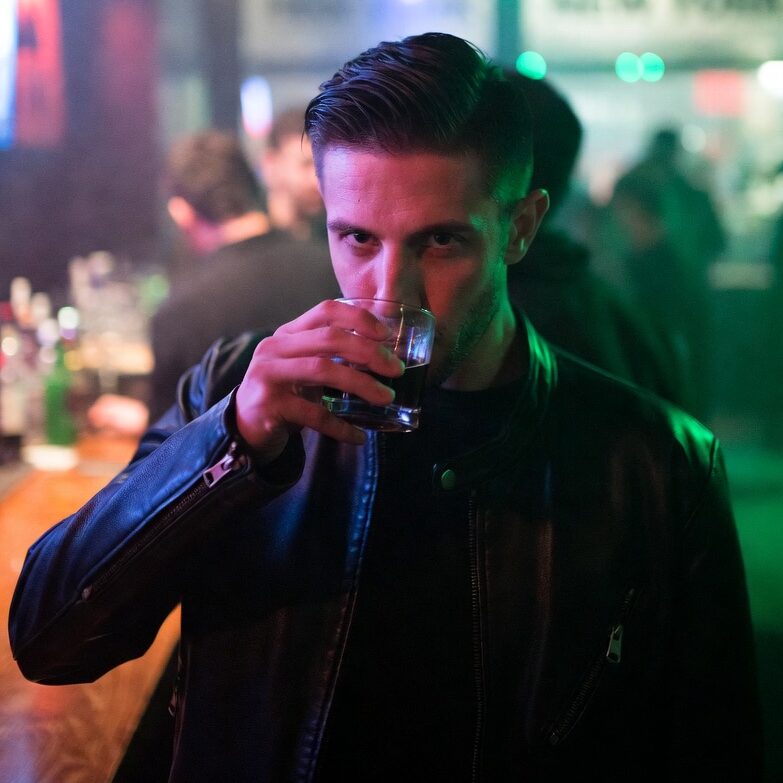
The act of pouring one more becomes less about alcohol itself and more about not wanting the moment to end.
Cultural Acceptance and Social Status
In many urban and professional circles, drinking is culturally embedded. High-end lounges, rooftop bars, and curated nightlife events often act as social status markers.
For educated and socially mobile individuals, being present in these spaces signals belonging. Alcohol consumption in these settings is often subtle, controlled, and integrated into social norms.
It’s not uncommon to see intelligent individuals choose quality over quantity—one premium drink over multiple casual ones—emphasizing experience rather than excess.
Stress, Relaxation, and Mental Load
Intelligence often comes with heightened self-awareness. Many intelligent individuals report difficulty “switching off” mentally. Thoughts continue long after work ends.
In controlled amounts, alcohol can create a sense of temporary mental quiet—slowing internal dialogue and easing tension. While not a solution, this effect explains why some intelligent individuals turn to drinking in social settings as a way to transition out of work mode.
The risk arises only when alcohol becomes a coping mechanism rather than a social tool—something responsible nightlife culture actively seeks to discourage.
Follow Us on InstagramThe Difference Between Frequency and Dependency
It’s important to draw a clear line between drinking more often and problematic drinking.
Many intelligent individuals may drink frequently because:
- They attend more social events
- Their professional circles include alcohol
- Their lifestyles are more socially active
Frequency does not automatically equal dependency. Context, moderation, and intent matter.
Modern nightlife culture—when done responsibly—emphasizes experience, connection, and atmosphere over consumption.
Nightlife, Identity, and Self-Expression
Nightlife is also about identity. For intelligent, ambitious individuals, nightlife spaces can feel like extensions of self-expression.
Fashion, music, venue choice, and even drink selection become subtle signals of personality. Choosing to be present, engaged, and social reflects confidence and autonomy.
Pouring one more, in this sense, is an assertion of choice—not pressure.
A Balanced Perspective
It would be misleading to suggest that intelligence and alcohol are inherently linked. Plenty of intelligent individuals don’t drink at all. Others drink rarely. What research and observation suggest is a correlation shaped by environment, culture, and lifestyle—not causation.
Highly intelligent people often:
- Live socially active lives
- Operate in professional networks
- Seek stimulating environments
Alcohol happens to be present in many of those spaces.
Nightlife Responsibility Matters
As nightlife culture evolves, responsibility becomes increasingly important. The goal is not to normalize excess, but to create environments where adults can socialize safely, consciously, and enjoyably.
MTS Productions represents nightlife as culture, energy, and experience, not reckless behavior. The narrative isn’t about drinking more—it’s about understanding why certain environments attract certain people.
Final Thoughts
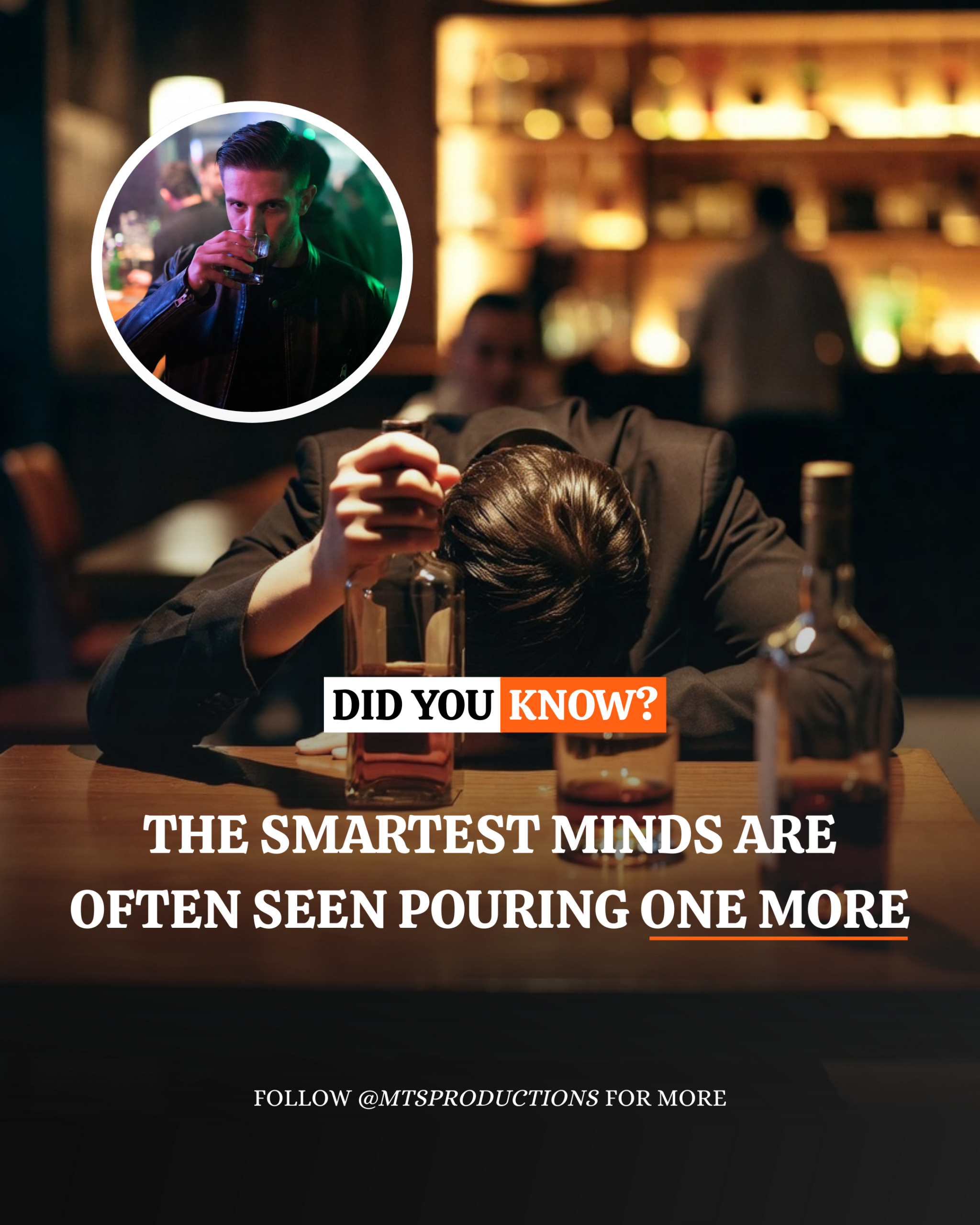
“DID YOU KNOW? THE SMARTEST MINDS ARE OFTEN SEEN POURING ONE MORE” isn’t a statement about alcohol—it’s a reflection of modern social life.
It highlights how intelligence, ambition, curiosity, and social engagement often intersect in nightlife spaces. It invites conversation, not judgment.
Whether it’s one drink or none at all, what truly defines intelligent minds is choice, awareness, and intention.
And sometimes, that choice is simply staying a little longer—because the conversation is too good to leave.
Follow @MTSProductions
For nyc nightlife culture, social stories, city energy, and experiences that go beyond the surface.